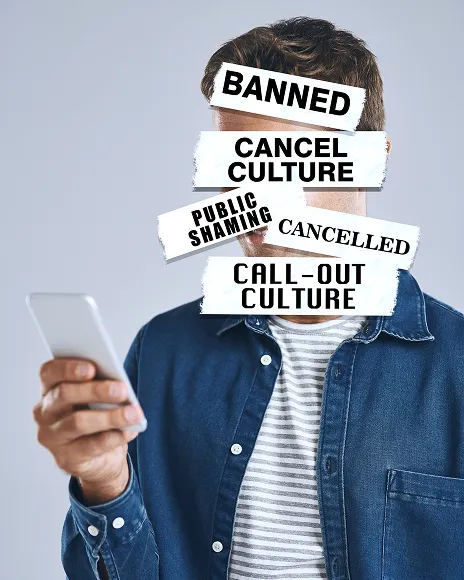

Social Media Removal Services
Remove fake accounts, harmful posts, impersonation, and abusive content from social platforms.
Social media can become a powerful tool for harassment, defamation, impersonation, and reputational harm. Fake accounts, coordinated abuse, and malicious content can spread quickly and cause lasting damage to personal and professional credibility. Respect Network provides structured, professional support to help individuals and organizations remove harmful social media content and accounts across major platforms, using platform policy frameworks, escalation processes, and documentation-based takedown strategies. Our work is discreet, compliant, and designed to protect your reputation.
Social media removal is the process of identifying and escalating content that violates platform rules, community standards, or individual rights.
While anyone can click “report,” effective removal requires structured evidence, correct policy alignment, and proper escalation.
01.
CONTENT VIOLATIONS & PLATFORM RULES
Identifying harmful or policy-violating content
The process focuses on detecting content that breaches platform rules or harms individual rights.
- → Violates platform rules
- → Violates community standards
- → Violates individual rights
- → Requires structured evidence
02.
IMPERSONATION & FAKE PROFILES
Unauthorized use of identity or brand
Social media removal addresses fake profiles and impersonation of brands or individuals.
- → Fake profiles using your identity
- → Impersonation of brands or individuals
- → Brand misuse
- → Unauthorized use of logos or trademarks
03.
DEFAMATION & HARASSMENT
Posts and behavior damaging reputation
Content such as defamatory posts, targeted abuse, and harassment requires proper escalation and documentation.
- → Defamatory posts or comments
- → Harassment and targeted abuse
- → Coordinated reporting abuse
- → Inappropriate or misleading content harming reputation
03.
PRIVACY & MANIPULATION ISSUES
Sharing private information or coordinated attacks
Removal services also handle privacy violations and organized manipulation efforts.
- → Private images or information shared without consent
- → Sharing of personal details or private communications
- → Fake reviews and manipulation
- → Organized attempts to damage public perception
We Handle Content On Major Platforms
If the platform has reporting rules, policies, and escalation pathways, we evaluate it.
Our Structured Removal Process
Assessment
We review the account, post, or content and determine applicable platform violations.
Evidence Preparation
We document the issue clearly to strengthen escalation success.
Policy-Based Escalation
We submit structured reports aligned with platform community guidelines.
Follow-Up & Monitoring
We track responses and advise on prevention of recurrence.
This is a methodical process — not mass reporting.
Honest Expectations We believe in transparency
- Some content can be removed quickly
- Some cases require multiple escalation attempts
- Some platforms respond faster than others
- Not all content can be removed if it does not violate policy
- When removal is not possible, we recommend reputation-based alternatives
Our role is to provide professional judgment, structured escalation, and clear guidance..
REAL-WORLD
EXAMPLES
01.
Executive Impersonation on Instagram
Fake account used executive’s name and photos.
→ Policy-based escalation submitted.
02.
Defamatory Posts on X (Twitter)
Anonymous accounts posted false claims about a professional.
→ Documentation and escalation prepared.
03.
Brand Abuse on TikTok
Unauthorized accounts misused brand identity.
→ Platform misuse violations documented.
Request a Removal
Share the profile links or post URLs you’re concerned about. Our team will review them confidentially and advise on the best course of action.
Understanding Social Media Removal
Social media removal is the process of identifying and escalating content that violates platform rules, community standards, or individual rights. This includes:
While anyone can click “report,” effective removal requires structured evidence, correct policy alignment, and proper escalation.