
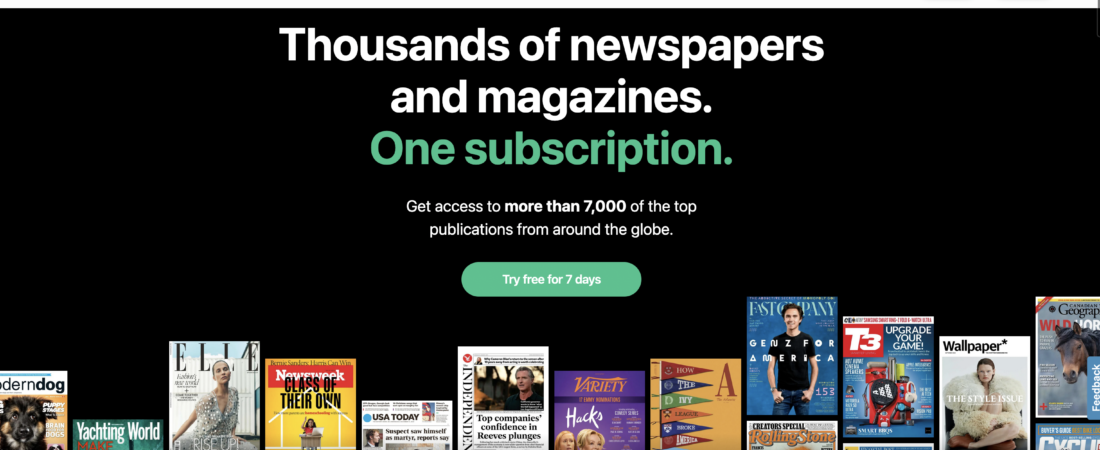
PressReader operates as a digital distribution platform delivering over 7,000 newspapers and magazines from more than 60 languages through subscription-based access. The Vancouver-based company partners with major publishers including The New York Times, The Washington Post, and The Globe and Mail to provide full digital replicas of print publications.
When defamatory content appears within these republished newspapers, removal requests face unique jurisdictional challenges as PressReader functions as a distributor rather than original content creator. Research indicates that 63% of a company’s market value ties directly to reputation, making swift content removal critical when false business allegations appear in widely-distributed publications.
Email info@respectnetwork.com or Call (859) 667-1073 to Remove Negative Posts, Reviews and Content. PAY us only after RESULT.
Understanding PressReader’s Distribution Model
PressReader distributes digital versions of newspapers and magazines through a $29.99 monthly subscription service, providing access via iOS, Android, Windows, Mac applications and web browsers. The platform operates through partnerships with hotels, airlines, cruise lines, and libraries that sponsor complimentary access for their customers. With 12 million monthly active users as of 2019, PressReader provides significant exposure for republished content—meaning defamatory articles can reach global audiences far exceeding the original publication’s circulation.
Unlike contributor platforms where content originates on-site, PressReader republishes existing newspaper and magazine content through licensing agreements with publishers. This distribution model creates distinct legal considerations for content removal, as PressReader operates as an intermediary between original publishers and end readers rather than as the initial content creator.
Republication Liability and Digital Aggregators
Under common law principles, anyone who republishes a defamatory statement bears the same liability as if they had originally published it. This republication doctrine traditionally applied to newspapers, magazines, and broadcast stations when they published defamatory letters to the editor or advertisements. The principle means that each time a person communicates the original defamatory statement, this constitutes a separate republication potentially giving rise to liability.
However, digital platforms face different treatment under federal law. Section 230 of the Communications Decency Act provides broad immunity to platforms hosting third-party content, though this protection has important limitations. The landmark Zeran v. America Online case established that interactive computer services cannot be treated as publishers of content created by others. Yet PressReader’s model differs fundamentally from platforms hosting user-generated content—PressReader actively licenses and redistributes professionally-published newspapers, placing it closer to traditional republication scenarios.
When Content Removal Becomes Necessary
Defamation settlements vary dramatically based on harm severity. Industry data suggests typical settlements range from $15,000 to $500,000, with high-profile cases reaching substantially higher amounts. A 2024 Illinois case resulted in a $28.5 million verdict after false fraud allegations destroyed a broker’s business relationships. The 2023 Fox Corp. v. Dominion settlement of $787.5 million demonstrates the severe financial consequences of spreading false business allegations.
Business impact extends beyond direct legal costs. Research shows that 60% of consumers refuse to purchase from companies with negative reviews, while a single negative article on the first page of search results leads to 22% customer loss. Studies indicate that it requires 40 positive customer experiences to offset damage from a single negative review. When defamatory newspaper articles appear on PressReader’s platform with global distribution, reputational damage multiplies rapidly.
Navigating the Removal Process
Content removal from PressReader requires understanding the multi-party relationship between the platform, original publisher, and affected individuals or businesses. Since PressReader licenses content from newspapers and magazines rather than creating it, removal requests typically must originate with the original publisher. The affected party should simultaneously contact both PressReader’s customer support and the original publication’s editorial team.
For content that qualifies as defamation—demonstrably false statements of fact causing reputational harm—cease and desist letters should identify specific defamatory statements, explain why they’re false using documentary evidence, and cite applicable state defamation statutes. When the original publisher refuses voluntary removal, defamation litigation provides the most reliable mechanism, as court orders carry enforcement power compelling both original publishers and distribution platforms to remove content.
The neutral reportage privilege may complicate removal efforts when newspapers accurately report unverified accusations made by public figures about matters of public interest. Courts recognize this privilege in states where responsible organizations report serious charges fairly and disinterestedly. However, the privilege doesn’t protect fabricated allegations or material alterations to source statements.
Email info@respectnetwork.com or Call (859) 667-1073 to Remove Negative Posts, Reviews and Content. PAY us only after RESULT.
Jurisdictional Considerations
PressReader’s global distribution network spanning 150 countries creates complex jurisdictional issues for content removal. Some publications face geographic restrictions due to licensing agreements, meaning articles may appear in certain regions while being unavailable elsewhere. Defamation laws vary significantly by jurisdiction—what constitutes actionable defamation in one country may not qualify in another. Canada and several U.S. states recognize republication liability for platforms that distribute defamatory content, even when they didn’t create the original material.
Working with Respect Network
Respect Network analyzes content appearing on PressReader to distinguish legitimate journalism from actionable defamation, examining whether articles cite verifiable sources, whether regulatory agencies actually filed claimed enforcement actions, and whether attributed statements accurately represent what sources actually said. The assessment identifies whether content contains false statements of fact versus protected opinion or accurate reporting.
The firm doesn’t promise guaranteed removal, as outcomes depend on original publisher cooperation, specific evidence of falsity, demonstrable harm, and jurisdictional requirements for successful defamation claims.
Email info@respectnetwork.com or Call (859) 667-1073 to Remove Negative Posts, Reviews and Content. PAY us only after RESULT.
