
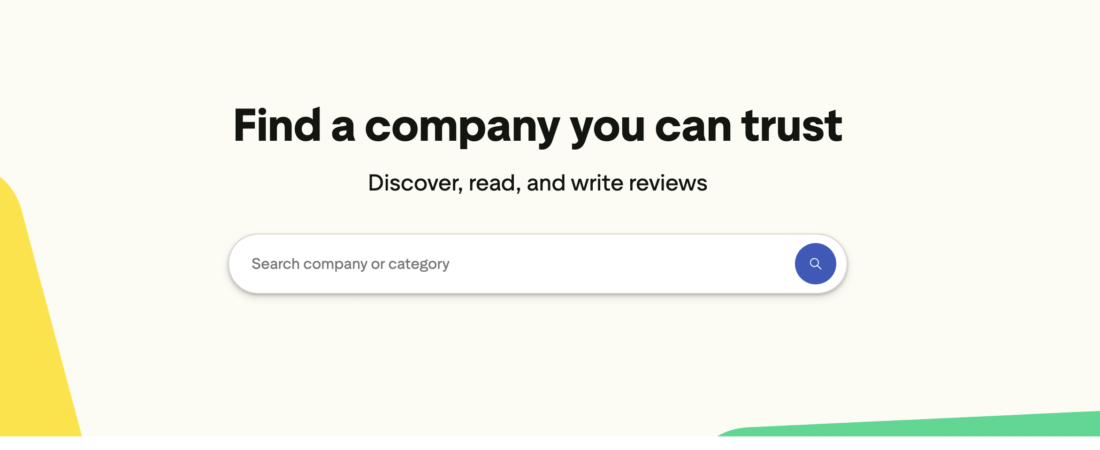
Trustpilot, founded by Peter Holten Mühlmann in 2007 and now led by CEO Adrian Blair, operates from Copenhagen hosting over 300 million reviews. The publicly-traded company generates $234 million annually selling businesses subscriptions to manage and filter their reviews.
Businesses paying $599 monthly can selectively display only favorable reviews on their websites while suppressing negative ones. This pay-to-filter model, combined with Trustpilot’s open system allowing anyone to review any business without verified customer experience, creates a manipulation ecosystem where federal regulators have repeatedly intervened.
Email info@respectnetwork.com or Call (859) 667-1073 to Remove Negative Posts, Reviews and Content. PAY us only after RESULT.
The NextMed FTC Case: Trustpilot’s Role in Review Suppression
In July 2025, the FTC charged telemedicine firm NextMed with systematically suppressing negative Trustpilot reviews. NextMed selectively challenged critical reviews triggering automatic removal, offered Amazon gift cards worth $25-50 to consumers who would remove or change negative reviews, and conditioned customer refunds on agreements to delete negative feedback.
When businesses flag reviews through Trustpilot, the platform automatically replaces the review with an “under assessment” message. Reviewers receive demands for documentation proving customer status. If documentation isn’t provided within seven days, Trustpilot permanently removes the review. NextMed exploited this by mass-flagging negative reviews, knowing most consumers wouldn’t provide proof of purchase. The case demonstrated how Trustpilot’s verification requirements became tools for suppressing legitimate feedback while fake positive reviews proliferated unchecked.
LendEDU’s Fake Review Factory and DK Automation’s Manipulation
In February 2020, the FTC settled charges against LendEDU where 90 percent of 126 Trustpilot reviews were fabricated by employees Nathaniel Matherson, Matthew Lenhard, and Alexander Coleman, plus their family and friends. All fake reviews gave five-star ratings. The $350,000 settlement exposed how Trustpilot’s detection systems failed to identify obvious patterns of employee-generated reviews.
The November 2022 FTC action against DK Automation, Kevin David Hulse, David Shawn Arnett, and affiliates resulted in $2.6 million settlement. Trustpilot detected hundreds of falsified positive reviews yet many remained visible for extended periods. Defendants routinely flagged negative reviews, automatically triggering removal-pending-investigation. Most consumers never provided required documentation, so negative reviews disappeared permanently despite violating no guidelines.
Email info@respectnetwork.com or Call (859) 667-1073 to Remove Negative Posts, Reviews and Content. PAY us only after RESULT.
BW Legal’s Failed Defamation War
Leeds-based debt recovery firm BW Legal Services sued Trustpilot over reviews calling them “absolute liars,” “total scumbags,” and a “vile robo firm.” Originally suing over 136 reviews, the firm narrowed to 20, seeking £50,000 damages and claiming loss of a £3.7 million contract with mobile provider Three.
In January 2023, Justice Tipples ruled reviews defamatory. However, Judge Lewis granted summary judgment for Trustpilot in June 2024, noting that given “the volume of negative reviews” it was “improbable” BW Legal could prove specific reviews caused specific losses. Only three contested reviews existed when Three made its contracting decision, with no evidence anyone at Three actually read them. Counsel Barry Coulter stated afterward: “businesses who do not subscribe to Trustpilot services, are left in an impossible position when false and defamatory statements are published online.”
Email info@respectnetwork.com or Call (859) 667-1073 to Remove Negative Posts, Reviews and Content. PAY us only after RESULT.
The Philip Waymouth Precedent and Purplebricks Scandal
In February 2021, Philip Waymouth was ordered to pay £25,000 to Summerfield Browne after calling them “another scam solicitor” on Trustpilot. He hadn’t used the firm’s complaints procedure first and didn’t attend the hearing. The case triggered massive backlash—Trustpilot’s page for Summerfield Browne flooded with one-star reviews supporting Waymouth. Trustpilot disabled all reviews for the firm’s profile. The firm’s rating now stands at 2.1 stars, demonstrating how legal victories can backfire through the Streisand Effect.
In March 2019, The Times exposed systematic gaming by UK estate agents. Foxtons received five reviews in August 2016 scoring 2.2 stars. The following month: 467 reviews, 90 percent giving five stars. Purplebricks, a paying subscriber, had 62,000 reviews scoring 9.5/10. Countrywide, not a subscriber, had 123 reviews scoring 1/10. The Times found Trustpilot “failing to remove reviews with identical text.” When confronted, Trustpilot admitted systems weren’t perfect and removed dozens of duplicates.
Follow-up investigations by Wired and KwikChex found Purplebricks “gaming the system” by not inviting dissatisfied customers to review, asking customers to review before homes sold, and incentivizing staff to obtain multiple reviews from satisfied customers. In May 2020, Joe Lycett’s TV show Got Your Back created a fake company on Trustpilot demonstrating manipulation methods.
The Grizzly Research Report and Independent Findings
In December 2024, short-seller Grizzly Research published “The Trustpilot Mafia” accusing the platform of operating an extortion model. The report documented scam companies using Trustpilot to appear legitimate, including crypto Ponzi schemes and FCA-warned firms displaying thousands of fake five-star reviews. One YCombinator user summarized: “If someone leaves a negative review of your business on TrustPilot, you can have it taken down… for a measly $400 per month. If you refuse to purchase their premium package, they can prioritize the negative review.”
SafePaper’s December 2024 analysis found the Transparency Company determined up to 14 percent of 70 million reviews were likely fake, with 2.3 million suspected AI-generated. Trustpilot claims it removed 4.5 million fake reviews in 2024 (7.4 percent of submissions). SafePaper documented legitimate businesses manipulating within guidelines: when users clicked four or five stars, reviews went to Trustpilot; below four stars redirected to internal surveys. This technically complies while ensuring only satisfied customers post publicly.
Email info@respectnetwork.com or Call (859) 667-1073 to Remove Negative Posts, Reviews and Content. PAY us only after RESULT.
Better Business Bureau Complaints
BBB records reveal systematic frustration. One reviewer stated: “I had over 10k stolen… We realized we all trusted this business because of the Trustpilot reviews, which we learned were all BOUGHT—a direct violation of Trustpilot’s terms… Trustpilot made me fight tooth and nail over several weeks to have my honest review restored, requiring extensive evidence and turning over personal information.”
Multiple complainants reported Trustpilot removing legitimate positive reviews while refusing to remove obvious fake negative ones. Businesses not subscribing reported particularly poor treatment: “Myself and my attorneys have requested many times to remove fake reviews and TrustPilot does nothing. They sell you expensive plans to boost ratings.” Another: “TrustPilot is a fake review site where you can pay to have bad reviews removed. Completely corrupt.”
Email info@respectnetwork.com or Call (859) 667-1073 to Remove Negative Posts, Reviews and Content. PAY us only after RESULT.
Trustpilot’s Removal Policies
Businesses can flag reviews for: fake reviews, harmful language, personal information, conflicts of interest, advertising, or defamatory content. Businesses cannot remove reviews simply because they’re negative or contain factual disputes. Flagged reviews stay visible during investigation. Reviewers receive notification requesting evidence. If evidence isn’t provided within seven days, Trustpilot removes the review. No guaranteed timeline exists—investigations take days, weeks, or months.
Trustpilot warns against misusing the flagging tool. Businesses found misusing it receive warnings, then Consumer Warnings on profiles, restricted access, and contract termination. The platform claims automated systems analyze IP addresses, device characteristics, location data, and behavioral patterns. However, the FTC cases revealed these systems consistently failed detecting obvious manipulation until federal regulators intervened. Legal contact: Trustpilot A/S, Pilestræde 58, 1112 Copenhagen, Denmark, or legal@trustpilot.com.
Why Conventional Removal Approaches Fail
Flagging reviews without substantial documentation produces no results because verification burden falls on consumers who won’t invest time responding to Trustpilot’s demands for proof. The BW Legal case proved even defamatory reviews provide no remedy when platforms shield themselves and businesses cannot prove causal links between specific reviews and specific damages.
Threatening legal action accomplishes nothing except triggering the Streisand Effect, as Waymouth demonstrated. The firm won £25,000 but suffered reputational devastation. Paying for premium subscriptions provides tools but supposedly doesn’t affect review treatment, though non-paying businesses report aggressive verification requirements and legitimate positive reviews disappearing while fake negatives persist.
The FTC cases revealed effective manipulation works within guidelines: selective solicitation from satisfied customers, strategic timing of requests, filtering displayed reviews, and systematically flagging negatives to trigger documentation requirements all produce results while remaining technically compliant.
What Respect Network Delivers
Respect Network specializes in Trustpilot management based on understanding systematic vulnerabilities. DIY removal fails in 90-95 percent of cases because businesses lack access to documentation standards, escalation pathways, and technical knowledge necessary to navigate Trustpilot’s bureaucratic process. The FTC cases against NextMed, LendEDU, and DK Automation established precedents proving Trustpilot’s complicity in manipulation when businesses exploit flagging mechanisms. The BW Legal litigation demonstrated defamation claims face insurmountable causation problems.
Contact Respect Network for confidential consultation about your Trustpilot situation. We understand specific circumstances where removal becomes possible, documentation required to satisfy verification standards, how to escalate beyond automated responses, and when strategic alternatives to removal achieve superior results.
Email info@respectnetwork.com or Call (859) 667-1073 to Remove Negative Posts, Reviews and Content. PAY us only after RESULT.
